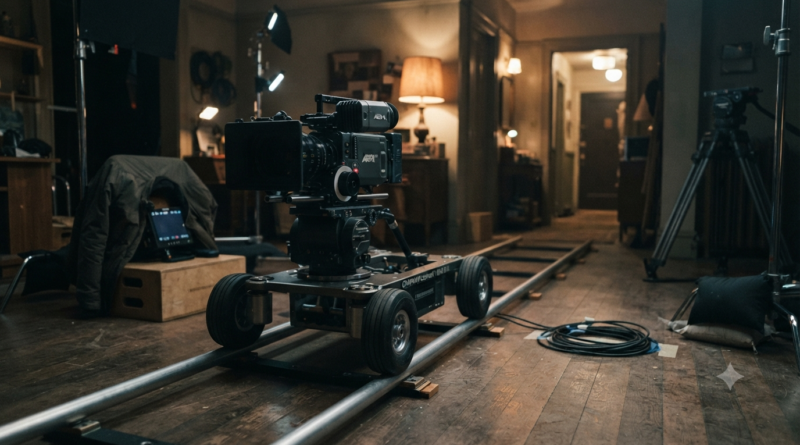
Film Camera Movement: Pan, Tilt, Dolly and Tracking
Film camera movement is more than motion on screen. Compare pans, tilts, dolly and tracking shots, then plan a fictional scene without mixing zoom and blocking.
Read MoreWhere Movie Lovers Feel Like Home
Where Movie Lovers Feel Like Home
Film camera movement is more than motion on screen. Compare pans, tilts, dolly and tracking shots, then plan a fictional scene without mixing zoom and blocking.
Read More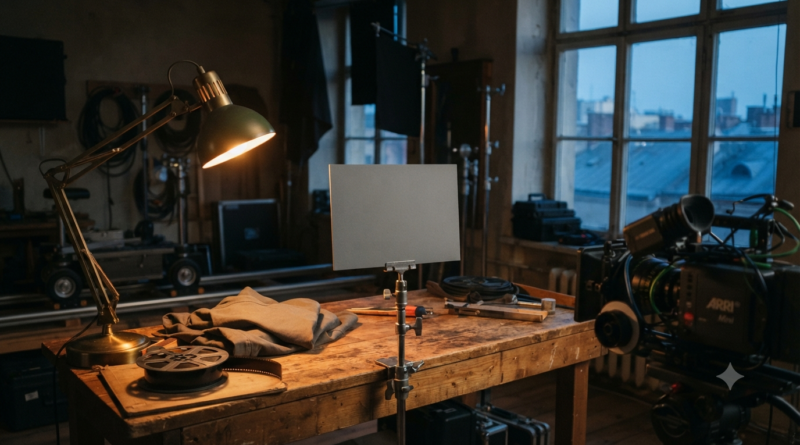
Film white balance controls neutral colour under different lights. Learn Kelvin, tint, reference cards, and when mixed lighting needs practical on-set fixes.
Read More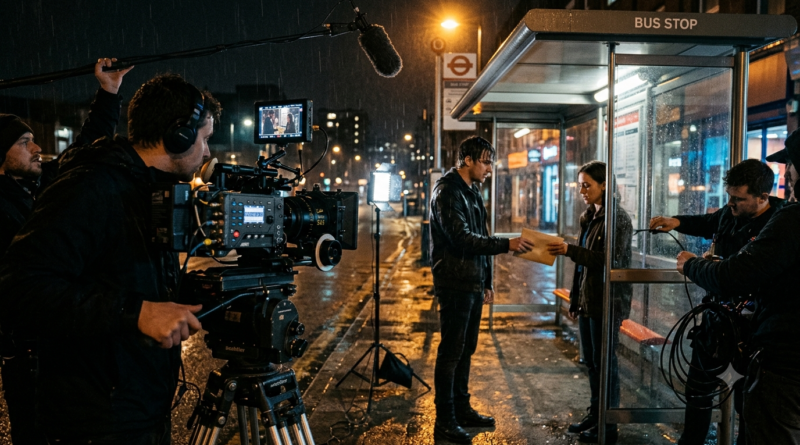
Film exposure triangle explained through a fictional night scene. See how aperture, shutter duration and ISO affect light, blur and image noise in cinema.
Read More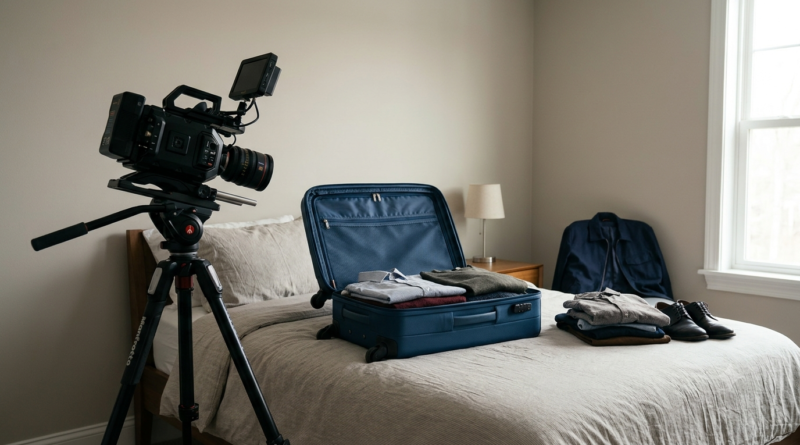
A film jump cut makes missing action visible. Follow a fictional suitcase-packing scene to see how the edit works and how it differs from montage and matches.
Read More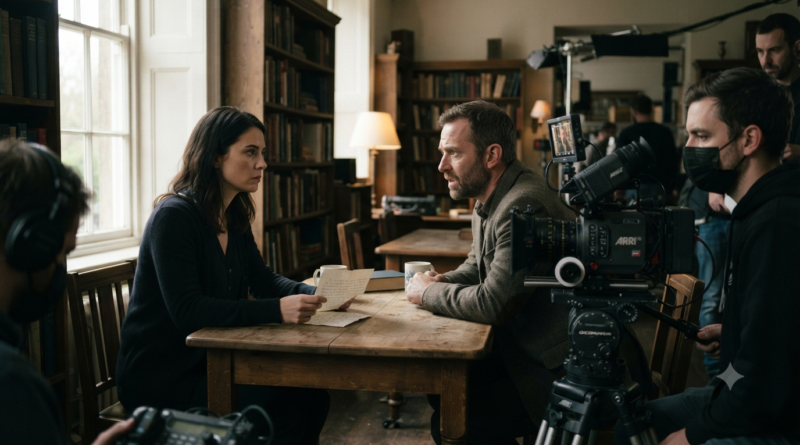
Shot reverse shot guides viewers between two sides of a conversation. Learn how eyelines, reactions and camera coverage shape dialogue scenes on screen.
Read More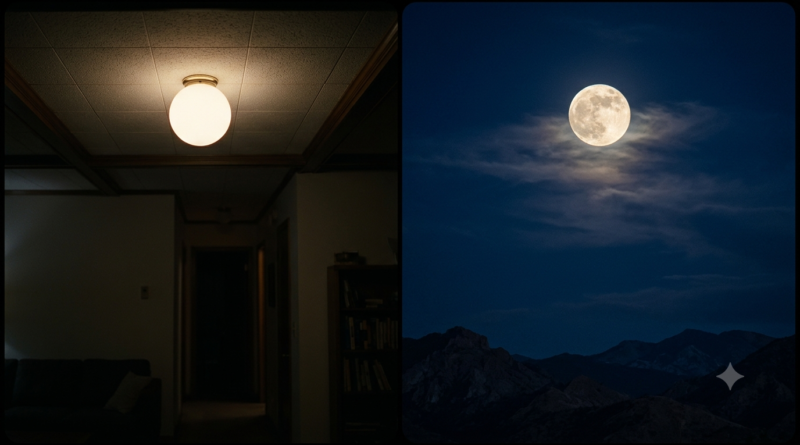
A graphic match cut links shots through shared shapes and framing. Explore fictional examples, editing tips, and how it differs from action and sound bridges.
Read More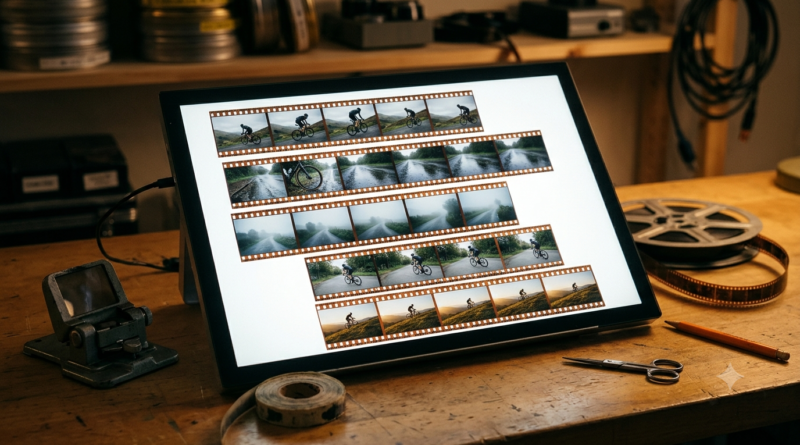
Film montage meaning goes beyond quick cuts. Learn how editors compress time and build meaning through shot order, with fictional examples and clear comparisons
Read More
Film depth of field explained through aperture, camera distance, framing and imagined scenes. Learn when to blur a background and when to pull focus clearly.
Read More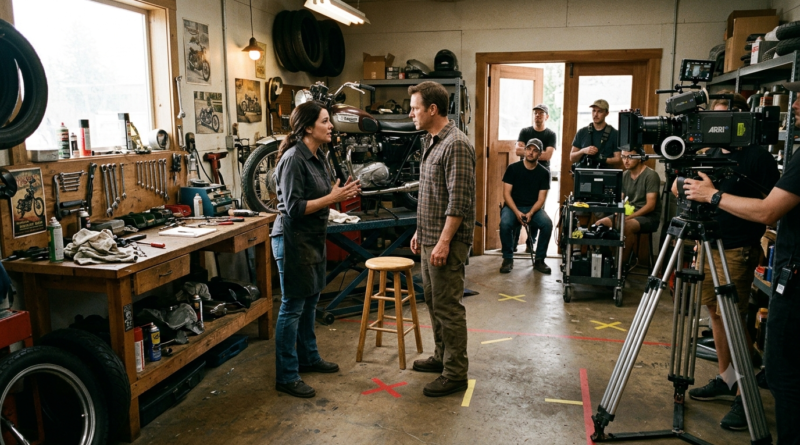
Film blocking shapes where actors stand and move. Explore an invented repair-shop scene, a labelled floor plan, rehearsal steps and camera-planning differences.
Read More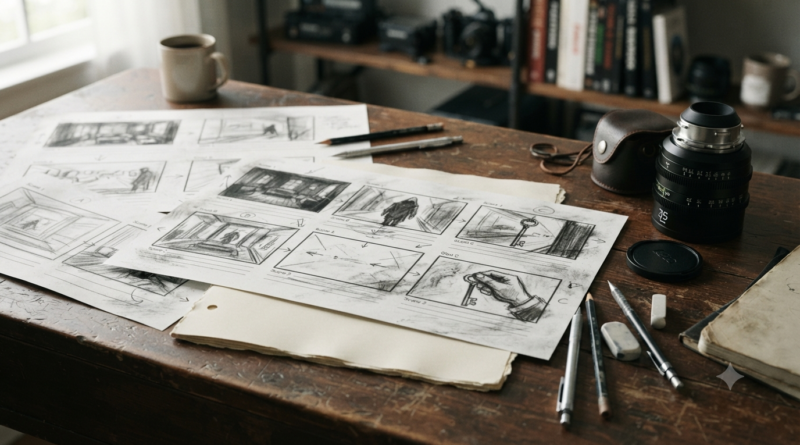
A film storyboard maps scenes into camera views before shooting. Learn how panels, framing, movement and continuity help filmmakers plan each shot on set.
Read More